Careers Education

Learning That Feels Different

Some students arrive unsure, guarded, or switched off from learning. That’s usually where we begin. We don’t rush it. Lessons focus on practical work, clear structure, and steady progress. English and maths are part of everyday activity, not a separate pressure. Staff stay close and notice small wins. Over time, students settle. They start trying again. That shift opens doors to education, work, and independence. 

Music Statement

Giving Students A Way In

Music often reaches students when other subjects can’t. It removes pressure. Students explore sound, rhythm, and ideas freely. This helps rebuild trust in learning and reminds them they can succeed somewhere.

Learning Happens Through Doing

Most lessons involve playing, recording, or experimenting with sound. Students stay active. Staff guide without taking over. Skills build slowly, often without students noticing at first. That steady progress keeps them engaged.

Confidence That Carries Over

Something shifts once students create something real. They stand differently. They participate more. That confidence doesn’t stay in music lessons. It begins to influence everything else they do.

Construction and Motor Vehicle Maintenance

Helping Students Feel Capable Again

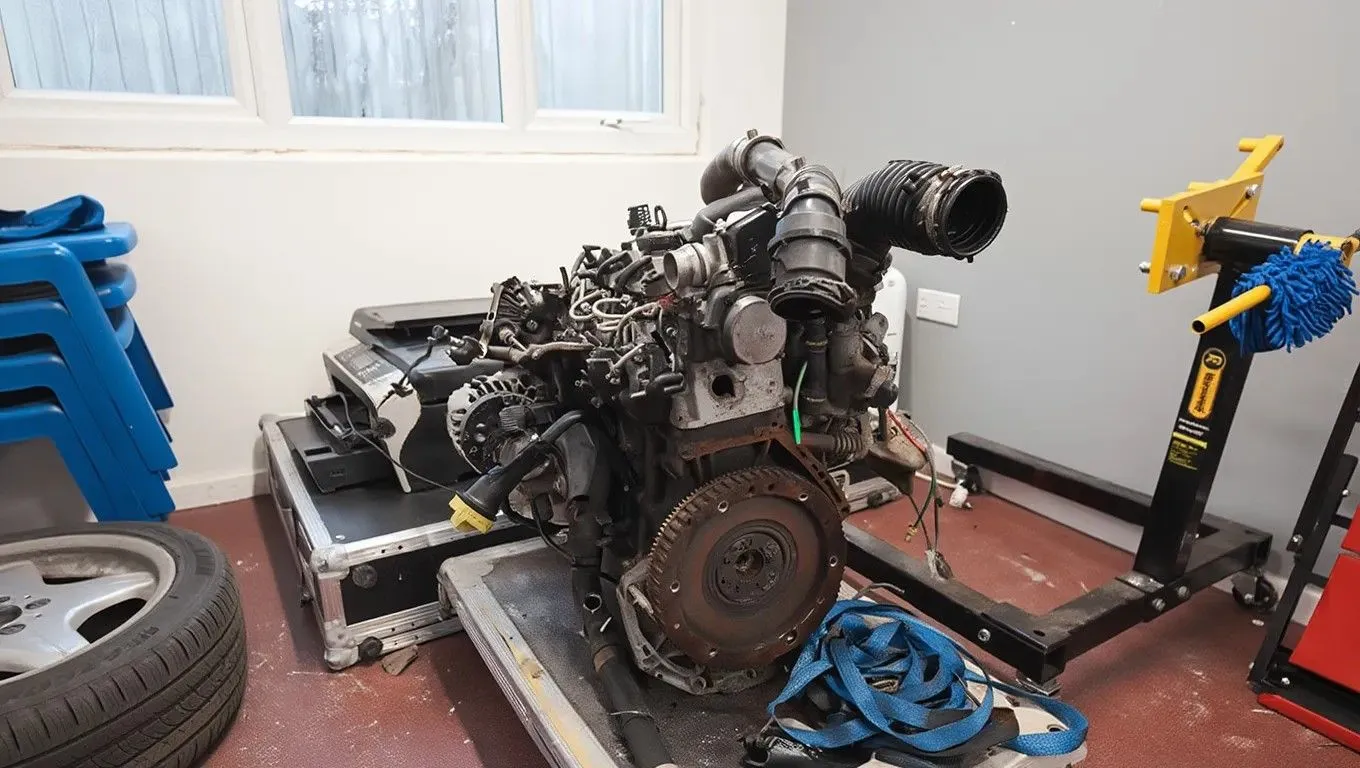
Working with tools changes how students see themselves. They produce something real. Fix something broken. That matters. It builds confidence and helps students believe they can learn practical, useful skills.

Workshops Replace Traditional Classrooms

Students spend time in workshop spaces, not behind desks all day. They use tools safely, follow guidance, and complete real tasks. Staff support closely, stepping in when needed, then stepping back.

New Direction And Motivation

Students begin to picture themselves in future roles. Motivation improves. Attendance often improves, too. Practical success gives them a reason to keep moving forward and stay engaged.

Maths

Changing How Students See Maths

Many students arrive convinced maths isn’t for them. We challenge that slowly. Lessons focus on useful situations. Students realise maths isn’t impossible. It’s something they can learn.

Breaking Things Into Manageable Steps

Staff avoid overload. Concepts are explained clearly, then practised. Students ask questions freely. Nobody gets pushed too fast. Progress happens in small, steady stages that build understanding and trust.

Confidence Built Through Real Progress

Once students solve problems independently, something changes. They stop avoiding maths. Confidence grows naturally. That improvement supports their wider education and future training options.

PSHE

Supporting Students As People First

Students bring personal challenges into school. PSHE gives space to address them. Lessons help students understand emotions, relationships, and choices. This supports healthier thinking and personal growth.

Honest Conversations Without Pressure

Discussions happen naturally, not forcefully. Students speak when ready. Staff listen properly. Over time, trust builds. That trust supports emotional safety and learning readiness.

Stronger Confidence And Self-Control

Students begin managing situations differently. Reactions improve. They show more control, more awareness, and more confidence. These changes support long-term stability and success.

ICT & Digital

Helping Students Feel Included

Technology can feel like a barrier for some students. We remove that fear. Students learn skills gradually, building confidence and digital independence along the way.

Learning By Creating Real Things

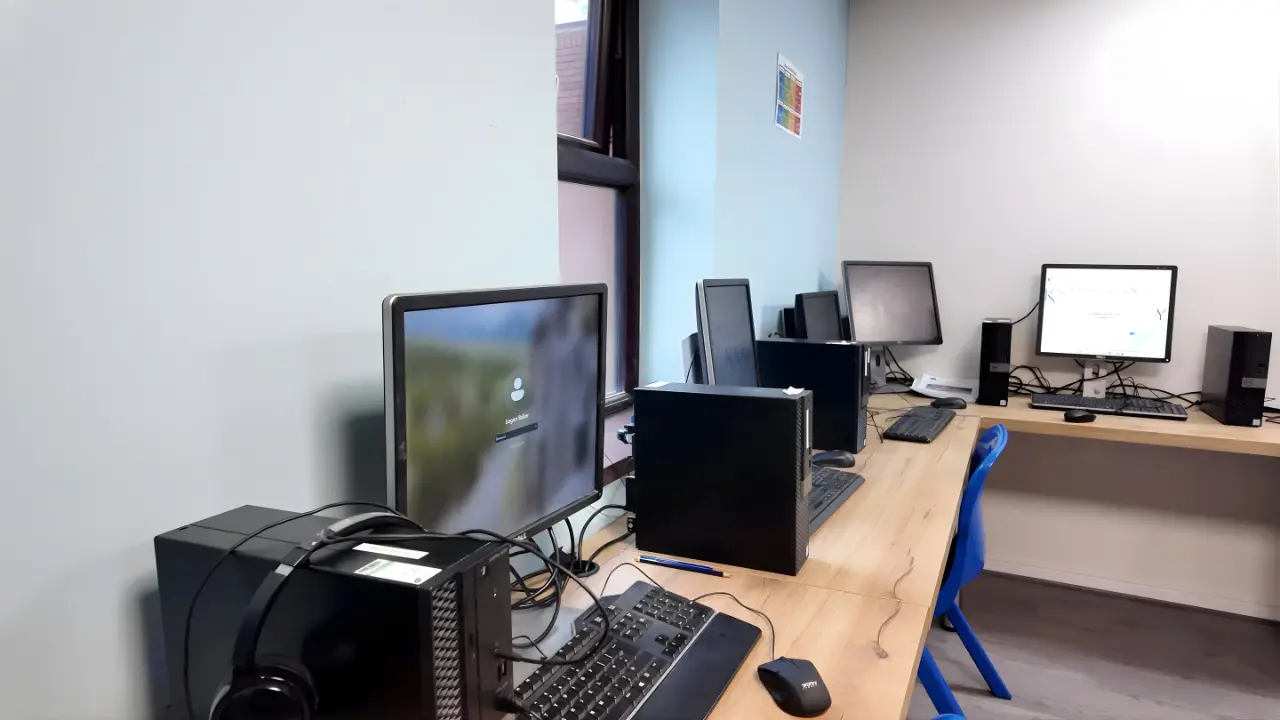
Students work on practical digital projects. They edit images, create content, and explore software. Staff guide quietly, allowing students space to experiment, learn, and improve naturally.

Opening Up Future Opportunities

Digital confidence changes how students see their future. Technology feels accessible, not intimidating. This supports progression into education, training, and modern workplaces.

Retail

Introducing Real Work Expectations

Retail helps students understand responsibility and teamwork. They begin to see how workplaces operate. This builds awareness and prepares them for employment environments.

Learning By Creating Real Things

Students practise communication, organisation, and task completion. Lessons reflect real workplace situations. Staff guide closely, helping students build confidence and understanding step by step.

Improved Confidence Around Work

Work no longer feels unfamiliar or intimidating. Students develop confidence and readiness. They begin to believe employment is possible for them.

Hair and Beauty

Discovering Ability And Interest

Hair and beauty often engage students quickly. It allows creative expression while building discipline. Students begin to see new strengths and future possibilities.

Learning Through Practical Experience

Students practise techniques regularly with guidance. Staff demonstrate, then support. Progress happens through repetition and encouragement, helping students improve confidence and ability.

Confidence That Extends Beyond Lessons

Students gain pride in their work. They begin imagining real career paths. That shift in thinking supports long-term motivation and independence.

Careers Education at Kingsley

Careers education at Kingsley Academy is built around real direction. Students begin to understand their options after Year 11, whether that’s further education, training, or employment. The aim isn’t pressure. It’s clarity.

Good careers education helps students see a future they can realistically step into. It gradually raises aspirations, linking what happens in the classroom to what comes next outside it.

Our approach supports students in thinking longer term. It helps them understand how their current progress connects to future opportunities while ensuring every student has equal access to guidance and support.

Real Career Direction

Vocational pathways are the early introductions to real industries. Students experience what different roles feel like through practical learning, structured environments, and realistic expectations. This helps them begin forming ideas about what suits them, without pressure to decide too early.
Gatsby Benchmarks

We follow the Gatsby Benchmarks, a recognised framework that outlines what good careers education should look like in schools. These guidelines help ensure students receive consistent, meaningful career support. Our careers provision aligns with these benchmarks, providing students with structured guidance while keeping learning relevant and accessible.
Beyond the Classroom

Students are given opportunities to explore life beyond the academy. This includes visits to colleges and exposure to local careers events where possible. These experiences help students connect their learning to the real world, making future pathways feel more familiar and achievable.